Commercial Waste Removal in Cricklewood
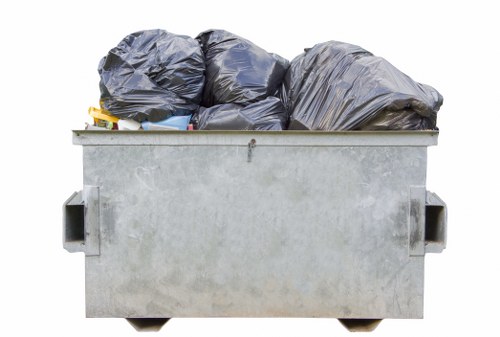
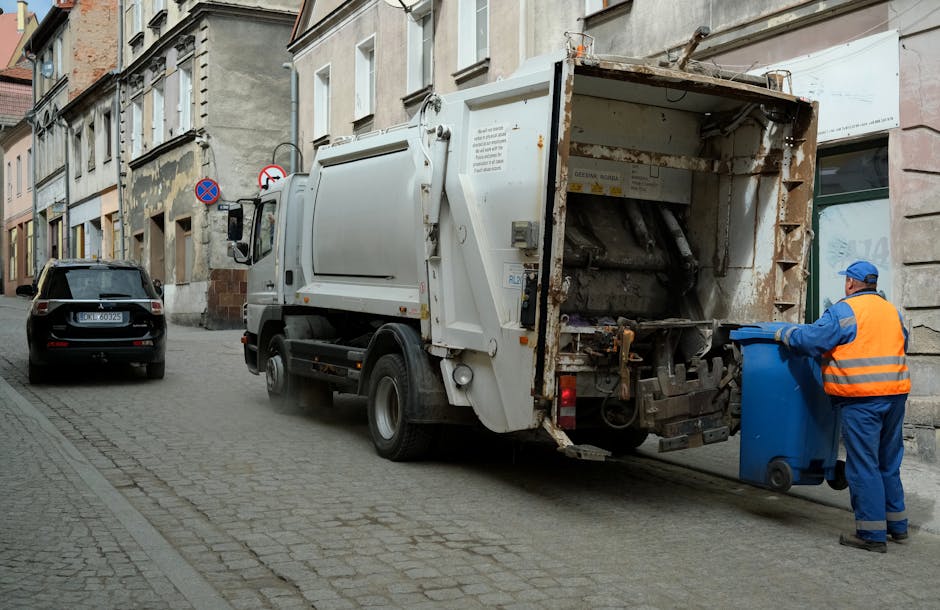
Commercial waste removal in Cricklewood should be straightforward, tidy and properly matched to the type of business waste you need taken away. We provide a practical service for organisations that want unwanted office items, mixed business rubbish and heavier clearances handled with care and disposed of responsibly. The focus is on keeping your premises usable while waste is separated, loaded and taken for the right next step, whether that is recycling, transfer or disposal.
If you are comparing options, it helps to start with the material itself. Some jobs are mainly routine business waste, such as packaging, paper and general office clutter. Others involve bulkier items, shelving, old fittings or a full room clear-out. Our approach is to keep the work clear and organised so you know what is being removed and how it will be handled. Tell us what needs clearing, and we can discuss the most suitable service path.
For a quick first step, use the main areas below to see how the service is usually broken down. If you already know the type of waste, you can move straight to the relevant section and request a quotation when you are ready. It is often easier to plan a clearance when the waste category is clear from the outset.
Business Waste Collection and Clearances
Business waste collection is useful when your premises generate recurring rubbish that needs removing without interrupting day-to-day work. That can include bagged waste, archive materials, cardboard, broken office items and surplus stock that no longer has a place on site. In many cases, the aim is not only removal but also sensible sorting, so reusable or recyclable materials are directed away from general disposal wherever possible. This keeps the process orderly and helps businesses deal with waste in a more consistent way.
Some commercial clearances are simple collections, while others involve more detailed removal from storage areas, back rooms or workspaces that have become crowded over time. We can help with business waste removal jobs that need a practical, measured approach rather than a rushed tidy-up. If there are items that need separating from general rubbish, it is useful to identify them early, especially where equipment, furniture or confidential material is mixed in with normal waste.
For offices, retail units and other working premises, a clear collection plan makes the job easier to manage. Business waste removal is the best place to start if your priority is regular or one-off commercial rubbish taken away with the minimum disruption. Please send the details of the material when you ask for a quotation, so the service can be matched to the load.
Office Waste and Workplace Clear-outs
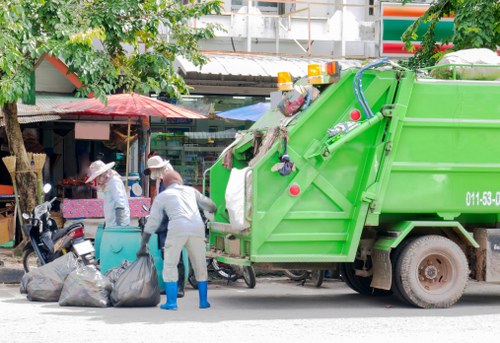
Office waste removal covers the kinds of items that build up in workspaces over time: worn chairs, filing cabinets, packaging, paper waste, small electricals and obsolete desk items. A practical clearance makes it easier to reclaim useful floor space and prepare rooms for reorganisation, refurbishment or closure. The most efficient jobs usually begin with a simple separation of general waste from anything that needs careful handling, such as confidential paperwork or reusable furniture.
For workplaces, the main question is often whether the job is a partial clear-out or a larger office clearance. A partial clear-out may focus on one storage room, a floor or a set of old items that are no longer needed. A larger clearance may involve a mixture of furniture, office accessories and accumulated waste from several departments. We can discuss the likely scale before work begins so the collection is shaped around what is actually on site.
If your premises hold records, archived files or paperwork that should not be mixed with general rubbish, the right service matters. Office clearance is a useful option for a more complete workplace job, while confidential material can be separated through confidential shredding. Two short steps help most customers: describe the contents clearly and keep any sensitive papers apart from items to be collected.
Furniture, Fixtures and Bulky Items
Furniture removal is often needed when an office, shop, studio or rented workplace is being reconfigured. Desks, chairs, storage units, tables and reception items all take up space and can be awkward to shift without the right plan. Bulky clearances are best handled by separating what will be collected from what stays in place, then moving items in a way that protects walls, flooring and access routes. The goal is a controlled removal, not a disruptive sweep through the premises.
In commercial settings, furniture disposal can involve a single unwanted item or a mixed load from several rooms. Some pieces may be suitable for reuse or component recovery, while others are simply ready for disposal. It helps to note whether the furniture is loose, assembled, heavy or partially dismantled, because that affects how the collection is managed on the day. Heavier items can require a little more preparation, especially where access is tight.
When you need a straightforward route for larger items, furniture clearance and furniture disposal are both relevant services to review. For mixed interiors, it can also be helpful to combine furniture removal with broader waste collection so the site is left clear in one visit rather than piecemeal. Ask for a quotation once you know which items are staying and which are going.
Builders Waste, Fit-Out Waste and Site Leftovers
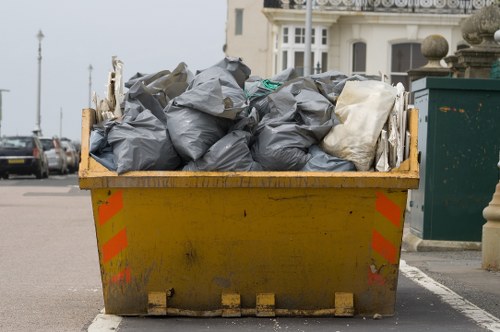
Builders waste clearance deals with the mixed debris that appears after alteration, refurbishment or light construction work. Typical material may include packaging, plasterboard offcuts, timber pieces, broken fixtures, metal scraps and other site leftovers that need sorting before disposal. A careful clearance helps keep the work area usable and avoids waste building up around entrances, corridors or loading points. The service is especially useful when a job has finished but the site still needs clearing before handover or reopening.
Not all construction-related waste is the same. Some loads contain clean, recyclable material; others are mixed and need separate handling because they include dust, damaged fittings or items removed during a strip-out. We can help with practical collection of these materials and the loading process, provided the waste type is described accurately in advance. That allows the right approach to be chosen for access, lifting and sorting.
If your project leaves behind mixed rubble, packaging and old fittings, builders waste clearance is the most direct page to review. For materials that are already known to be unsuitable for ordinary collections, hazardous waste disposal gives a separate route. A simple list of what is present will make the quotation stage much easier.
Household-Style Contents in Commercial Settings
Commercial premises sometimes need clearance for items that look domestic rather than office-based. That can include sofas, mattresses, loose storage furniture, kitchen-style appliances and assorted contents from break rooms, changing rooms or staff accommodation. These jobs still need a commercial-minded approach because access, loading and disposal all have to be handled with care. The service is about removing the right items without leaving the remaining space cluttered or unsafe.
Some businesses also need help with full-room or partial internal clear-outs where the contents are a mixture of personal and workplace belongings. In those cases, the most useful first step is to identify which objects are staying, which are being removed and whether any items need special care because of size or condition. This keeps the job organised and reduces the risk of overlooking smaller pieces that are easy to miss during a broader clearance.
Where furniture and appliances are part of the load, it may be useful to compare mattress and sofa disposal with fridge and appliance removal. For a wider range of mixed contents, flat clearance and home clearance can also describe the style of work, even when the location is being used commercially. Label the items you want taken before asking for a quote.
Outdoor, Storage and Ancillary Waste

Many businesses also generate waste away from the main workspace. Stores, yards, sheds, garages and rear access areas can collect broken fixtures, old fittings, packaging, garden material or mixed junk that no longer serves a purpose. These areas often become catch-all storage spaces, so the work is as much about sorting as it is about removal. A sensible clearance should leave paths clear and make the remaining space easier to use.
Outdoor or ancillary waste can include heavy, awkward or dirty items that are unsuitable for a neat office collection. That may mean timber offcuts, garden cuttings from commercial grounds, shelving, old tools or bulky household-type items held on business premises. In such cases, it helps to explain whether the waste is dry, bagged, loose or partly dismantled, because those details influence how the collection is planned and what equipment may be needed.
Relevant pages for these jobs include garage clearance, garden clearance and loft clearance. If the contents are more varied, waste removal provides a broader starting point. When you are ready, a brief description of the area and the waste type is usually enough to begin a quotation.
About Cricklewood
Cricklewood is an area in north-west London that sits across the boundaries of the London Boroughs of Brent, Barnet and Camden. Its identity has long been shaped by its position on major routes into and out of the city, especially Cricklewood Broadway and the nearby A5 corridor, which have supported shops, workshops and local services for many decades. The area grew rapidly in the late nineteenth and early twentieth centuries as rail connections and road improvements made it more accessible, and that period still influences its streetscape today. Victorian and Edwardian terraces remain visible in many parts, alongside later apartment blocks, commercial premises and transport-focused development. Cricklewood station, on the Midland Main Line, has been a significant local feature since the railway era expanded suburban travel. The nearby Brent Cross area and the approach to the North Circular also place Cricklewood within a busy transport landscape. Mapesbury Dell offers a quieter green space close by, while Gladstone Park and the wider Brent Reservoir area are part of the local patchwork of open ground, walking routes and long views across north-west London. The area’s built environment is varied rather than uniform, with residential streets, parade shops, industrial remnants and newer redevelopment all coexisting. That mixture gives Cricklewood a practical urban character, while its long development history can still be read in the layout of its roads, the surviving older buildings and the contrast between small local frontages and larger transport and commercial corridors.
Waste Types, Sorting and Responsible Disposal
One reason commercial waste removal can feel complicated is that a single job may contain several different waste streams. Cardboard, plastic wrap, broken furniture, electrical items and general rubbish do not always belong in the same load, and a clear sort makes collection more efficient. We aim to keep the process sensible by separating what can be directed towards recycling from what needs standard disposal, subject to the actual material and its condition.
That sort of work is especially useful when premises are being prepared for a change of use, stock rotation, an office rearrangement or a general tidy-up after a busy period. The value lies in reducing clutter without creating a new sorting problem at the point of collection. If there are items that are especially dirty, mixed with other waste or not easily lifted, they should be identified in advance so the collection plan reflects the real load rather than a guess.
Our related page on recycling and sustainability explains the broader disposal approach, while what can go in a skip can help where a customer is weighing up different ways to manage a load. Accuracy matters more than volume: a small, well-described clearance is easier to organise than a large one with vague contents.
Pricing, Access and Quotation Details
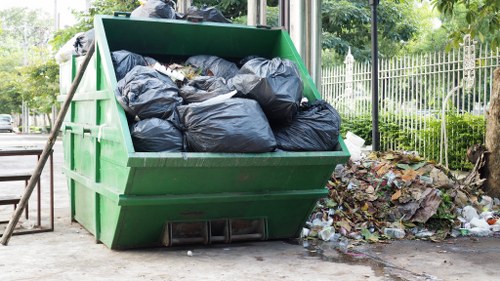
The price of commercial waste removal usually depends on the material, the amount to be taken, the ease of access and whether any items need sorting before loading. Heavier or bulkier waste may take longer to move, while mixed loads can require more careful handling than a simple bag collection. Location within the building also matters, because items stored on upper floors, in basements or behind restricted access points may need extra time or planning.
It is helpful to give a clear description when you request a quotation. A short list of the main items, an indication of where they are stored and any access notes can all improve the accuracy of the quote. If there are pictures available, they can help, but they are not the only useful detail. What matters most is that the waste is described clearly enough for the right collection to be arranged without avoidable delays.
For pricing information, the most relevant page is pricing and quotes. If you are ready to move ahead, you can also use contact us or book online as a next step. Send the load details when you are ready, and we can help you work towards a clear quotation.