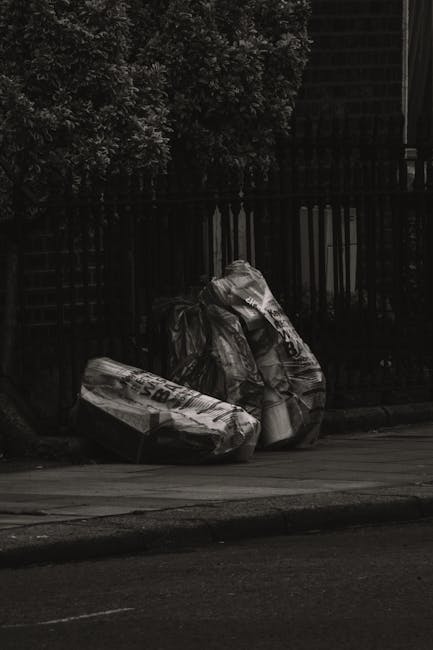
Flat clearance and rubbish removal NW2 estates Cricklewood
If you live, manage, let, or clear a flat on one of the NW2 estates in Cricklewood, you already know the awkward bits: tight stairwells, shared entrances, parking that disappears just when you need it, and rubbish that seems to multiply overnight. Flat clearance and rubbish removal NW2 estates Cricklewood is not just about hauling items away. It is about doing the job neatly, safely, and with as little disruption to neighbours and building rules as possible.
Whether you are dealing with an end-of-tenancy clear-out, a probate flat, old furniture, a pile of mixed rubbish, or a post-refurbishment mess, the right approach saves time and avoids stress. In this guide, you will get a clear, practical overview of how it works, what to expect, what to avoid, and how to choose the most sensible option for your situation. No fluff. Just useful, local-minded advice that reflects the realities of estate living in Cricklewood.
Contents
- Why this matters in NW2 estates
- How the clearance process works
- Key benefits and practical advantages
- Who needs this service and when it makes sense
- Step-by-step guidance
- Expert tips for better results
- Common mistakes to avoid
- Tools, resources and recommendations
- Law, compliance and best practice
- Options and comparison table
- Real-world example
- Practical checklist
- Conclusion
- Frequently asked questions
Why Flat clearance and rubbish removal NW2 estates Cricklewood Matters
Estate flats in Cricklewood often come with shared access, limited loading space, and a steady flow of people coming and going. That sounds manageable until you are moving a sofa down two flights of stairs while trying not to scratch the walls or block a communal hallway. Then it becomes obvious why a structured clearance service matters.
With flat clearance, the goal is not simply to remove items. The job needs to fit the building. That means protecting communal areas, working around residents, and planning the removal so that bulky items do not sit in the entrance for hours. On estates in NW2, that practical side makes a real difference.
It also matters because rubbish left in shared spaces quickly becomes everyone's problem. One abandoned mattress, a broken wardrobe, or a stack of bagged waste near the bins can attract complaints fast. Estate managers, landlords, agents, and residents all benefit when clearance is handled cleanly and promptly.
Expert summary: In estate settings, good clearance is about more than lifting. It is about access, timing, neighbour respect, proper sorting, and leaving the property ready for its next use.
There is also a dignity aspect that gets overlooked. If you are clearing a home after a bereavement, downsizing, or a long tenancy, the process can feel emotional. A calm, organised approach makes it easier to get through a difficult day. Truth be told, that emotional side is often half the battle.
How Flat clearance and rubbish removal NW2 estates Cricklewood Works
The process is usually straightforward, but the details matter. A good flat clearance service starts by understanding what needs removing, where the flat is located, and whether there are any access issues such as no lift, narrow stairs, controlled parking, or restricted collection times.
Most jobs follow a simple pattern: assess, quote, remove, sort, and dispose. If the flat contains bulky furniture, mixed household waste, appliances, or extra items from a storage cupboard or loft area, those details should be discussed in advance. It avoids surprises on the day. Nobody likes those, especially if you are already juggling keys, permits, and building notices.
For a larger or mixed job, it can help to split the clearance into item types. For example, furniture may be handled separately from general waste, and electrical items may need special handling. If your clearance includes a lot of old beds or sofas, it is worth looking at mattress and sofa disposal. If the job is broader and includes mixed household items, flat clearance is the most relevant service page to review.
On the day, teams typically arrive with the right tools, protective equipment, and a plan for moving items safely through the building. In a block of flats, that may mean using trolleys, lifting straps, floor protection, and a route that keeps disturbance to a minimum. Not glamorous, admittedly, but it saves headaches later.
Key Benefits and Practical Advantages
The biggest benefit is convenience, but there is more to it than that. A properly managed clearance can reduce stress, free up space quickly, and help you hand back a flat in a cleaner, more orderly condition.
- Less disruption: Items are removed efficiently, with less impact on neighbours and shared areas.
- Better safety: Bulky rubbish and loose waste are not left in hallways or stairwells.
- Time savings: You avoid multiple trips to a disposal site or the hassle of hiring transport.
- More suitable for estates: Teams can work around access rules, parking limits, and building layouts.
- Cleaner handover: Useful for landlords, letting agents, executors, and tenants at move-out stage.
- Less emotional strain: Especially important when clearing a long-occupied flat or family home.
There is also a sorting advantage. Experienced clearance teams know how to separate reusable items, recyclable materials, and waste that needs specific handling. If sustainability matters to you, have a look at recycling and sustainability to see how a more responsible approach is framed.
Another practical plus: a clear plan helps avoid the classic estate-clearance problem where one person says "just leave it by the bin store" and the next person is left to deal with the mess. We have all seen that movie. It never ends well.
Who This Is For and When It Makes Sense
This kind of service suits a wide range of people. If your flat is in an estate in NW2, you may need it sooner than you think.
- Tenants moving out and needing to clear unwanted furniture or accumulated rubbish
- Landlords preparing a flat for re-let after a tenancy ends
- Letting agents arranging a quick turnaround between occupants
- Estate managers responding to fly-tipped or abandoned items
- Families handling a probate clear-out
- Homeowners who have simply run out of storage and patience
It makes sense when items are too large, too many, or too awkward to move yourself. It also makes sense when the building layout is working against you. If your sofa has to turn on a landing the width of a cereal box, maybe that is your sign.
Sometimes the need is obvious after renovation or redecoration. Builders' rubble, packaging, old skirting, broken fittings, and leftover offcuts can pile up quickly. In that case, builders waste clearance is a useful related option. For more general household needs, home clearance and house clearance may also be relevant depending on the scale of the job.
Step-by-Step Guidance
Here is a sensible way to approach a flat clearance in a Cricklewood estate without overcomplicating it.
- Walk through the flat first. Make a quick list of everything that needs to go. Separate what stays from what goes. It sounds basic, but it prevents mistakes later.
- Check access and building rules. Confirm stair access, lift use, parking restrictions, permit needs, and any collection time limits set by the estate or managing agent.
- Identify special items. Note appliances, mattresses, sofas, confidential paperwork, and any damaged or awkward items.
- Request a clear quote. Make sure the quote reflects the amount of waste, access conditions, and any special handling needs. For pricing-related guidance, the pricing and quotes page is a useful starting point.
- Prepare the flat. Bag loose rubbish, separate valuables, unplug appliances, and keep paths open where possible.
- Keep neighbours in mind. Let nearby residents know if a lift or corridor may be used briefly. A little courtesy goes a long way.
- Do a final check. Before the team leaves, inspect cupboards, balconies, and storage spaces. That one forgotten bag in the airing cupboard always appears later, doesn't it?
If you need to book quickly, book online can be the easiest route for arranging the next step without endless back-and-forth.
Expert Tips for Better Results
Small decisions make a big difference in estate clearances. Here are the tips that save time, money, and awkward conversations.
- Photograph the load before collection. It helps clarify the scope of the job and avoids confusion.
- Sort items into simple groups. Furniture, general waste, appliances, and paperwork should not all be mixed together if you can avoid it.
- Protect shared areas. If there are scuffed hallways or fragile corners, mention them early.
- Plan around estate traffic. Early mornings, school-run times, and busy evenings can be tricky in larger blocks.
- Keep bulky items accessible. If safe to do so, move them nearer the entrance before the team arrives.
- Be realistic about what you can lift. An old wardrobe might look harmless until you meet the stairwell. Then it is a different story.
Another good habit: ask how recyclable materials will be handled and what happens to reusable items. That gives you a better sense of the service and, in many cases, a calmer conscience too.
For items like fridges, freezers, washing machines, and other white goods, check the dedicated fridge and appliance removal page. Likewise, for single bulky pieces such as a settee or bed frame, furniture disposal can be a more specific fit.
Common Mistakes to Avoid
Most clearance problems come from rushing the planning stage. The actual removal is often the easy bit.
- Leaving it all to the last minute. Estate access rules and parking can be awkward, so last-minute chaos tends to make things worse.
- Underestimating the amount of waste. One room can hide more than you expect. A cupboard full of mystery items can turn into half a van fast.
- Ignoring building restrictions. If the estate has specific loading or lift-use rules, follow them.
- Mixing hazardous items with general waste. Certain materials need extra care and should not be treated casually.
- Forgetting appliance handling. Some white goods need special removal methods and should not just be dragged out with the rest.
- Not checking the final empty flat. People often miss loft hatches, balcony corners, or hidden storage spaces.
One subtle mistake is trying to do everything yourself when the building makes it inefficient. If you need to borrow a trolley, find permits, and coordinate three friends with different schedules, are you really saving time? Maybe not.
For larger shared-space issues or estate-wide waste problems, a general waste removal service may be the more practical route than treating it as a simple one-off lift.
Tools, Resources and Recommendations
You do not need a van-load of specialist gear to organise a clear-out, but a few simple tools help a lot.
- Strong bin bags for loose rubbish and lightweight items
- Labels or marker pens to mark keep, donate, dispose, and recycle piles
- Gloves for handling dusty or sharp items
- Basic floor protection if you are moving items through clean communal areas
- A phone camera for a quick inventory before and after
- Tape measure if you are checking whether bulky furniture can fit through doorways safely
Useful service pages on the site can also help you decide how to split a broader job. For example, furniture clearance is helpful if the flat mainly contains sofas, tables, and storage units. loft clearance is useful where a flat includes a top storage area or additional difficult access. And if you are dealing with a larger mixed property, garage clearance can be relevant where overflow items have been stored off the main living space.
Small recommendation, based on the way these jobs usually unfold: keep the pathway clear before the team arrives. It sounds obvious, but a narrow corridor full of shoes, umbrella stands, and a pushchair can slow the whole thing down.
Law, Compliance, Standards, or Best Practice
In the UK, waste has to be handled responsibly. You do not need to become a compliance specialist to clear a flat, but you do need to know the basics. The important principle is simple: waste should be collected, transported, and disposed of by a legitimate operator, and it should be separated properly when different waste types are involved.
For estate flats, best practice also means working safely in shared spaces. That includes keeping exits clear, reducing trip hazards, avoiding damage to walls and flooring, and taking care with heavy lifting. If you are clearing out items that could be confidential, such as papers, records, or documents, a dedicated shredding service is better than stuffing them into a mixed waste bag. In that situation, confidential shredding is the sensible route.
Hazardous items need particular caution. Paints, chemicals, gas canisters, asbestos-containing material, and certain electrical or contaminated items should never be treated like ordinary household rubbish. If you suspect a risky item is involved, check carefully before moving it and use the appropriate disposal route. The hazardous waste disposal page is relevant when the clearance goes beyond normal domestic waste.
It is also worth noting that reputable operators should have clear policies around safety, insurance, payment security, and complaints. Those pages are not glamorous, but they matter. You can review health and safety policy, insurance and safety, payment and security, and complaints procedure if you want a fuller picture of how a professional service approaches trust and accountability.
Options, Methods, or Comparison Table
There is more than one way to deal with flat waste. The right option depends on volume, access, item type, and how quickly you need the space cleared.
| Option | Best for | Pros | Trade-offs |
|---|---|---|---|
| DIY removal | Small, manageable loads | Can be cheap if you already have transport | Time-consuming, physically demanding, awkward on estates |
| Skip hire | Longer projects with space for a skip | Useful for ongoing work and mixed waste | Needs placement space and may not suit tight estate access |
| Professional flat clearance | Bulky items, mixed rubbish, time-sensitive jobs | Quick, convenient, less effort on your part | Cost depends on waste volume and access conditions |
| Specialist item removal | Fridges, mattresses, sofas, appliances | Tailored handling for specific items | May need separate booking if multiple item types are involved |
If you are weighing up a skip against a direct collection, the page on what can go in a skip can help you judge whether that route actually suits your load. Some estate clearances do. Others, not so much.
Case Study or Real-World Example
Here is a realistic example. A two-bedroom flat on an NW2 estate needed clearing after a long tenancy. The property contained a damaged sofa, a mattress, several black bags of mixed waste, a small fridge, and a wardrobe that had clearly been through a few arguments with the hallway. Access was via stairs only, and the estate had a narrow parking bay just outside the block.
The sensible approach was to separate the work into categories before collection. The sofa and mattress were identified first, the appliance was flagged for special removal, and the remaining waste was bundled neatly so the team could move through the building without slowing everything down. The tenant also checked cupboards, the balcony, and the top shelf of a hallway storage unit before the collection began. Good thing too, because there was one last box tucked away behind a coat rack. Classic.
The result was simple: the flat was cleared in one visit, the shared entrance stayed tidy, and the landlord was able to move ahead with cleaning and re-letting. No drama. No extra trips. Just a decent, orderly job done properly.
That is often what people want most, actually. Not a grand solution. Just a calm one that works.
Practical Checklist
Use this checklist before your flat clearance or rubbish removal in Cricklewood NW2 estates.
- Confirm what must be removed and what should stay
- Take photos of bulky items and mixed waste
- Check building access, parking, and lift rules
- Separate obvious special items such as appliances or mattresses
- Set aside valuables, documents, and personal keepsakes
- Make sure pathways are clear for carrying items out
- Warn neighbours or the managing agent if needed
- Ask how recyclable and reusable items are handled
- Review safety, insurance, and payment details
- Do a final sweep of cupboards, balconies, and storage spaces
If you are dealing with one room, one flat, or a whole property, this checklist keeps the job from turning into a messy last-minute scramble. Small effort now, much less frustration later.
Get a free quote today and see how much you can save.
Conclusion
Flat clearance and rubbish removal NW2 estates Cricklewood works best when it is planned around the real world: shared access, estate rules, neighbour awareness, and the awkward shape of everyday life in a London block. The best results are usually the quiet ones - organised, respectful, and done without fuss.
Whether you are clearing after a move, sorting out a tenancy, handling a family property, or just trying to reclaim a flat that has become a bit too full, the key is to keep the process simple and well-paced. If you break the job into manageable steps, the whole thing becomes far less intimidating. And that is worth a lot on a busy day.
When in doubt, choose the route that saves time, reduces stress, and keeps the estate tidy. That is usually the right answer, even if it is not the flashiest one.
Frequently Asked Questions
What does flat clearance in NW2 estates usually include?
It usually includes the removal of unwanted furniture, general rubbish, bags of clutter, small appliances, and other items from a flat or maisonette. The exact scope depends on the property and what needs to be cleared.
Can rubbish be removed from a flat with no lift?
Yes, but stairs-only access can affect the time and cost. It helps to mention this upfront so the team can plan the right number of people and the safest route out of the building.
Is this service suitable for end-of-tenancy clear-outs?
Yes, very much so. It is one of the most common reasons people book flat clearance, especially when a tenant has left behind bulky furniture or mixed rubbish.
What should I do with old sofas and mattresses?
These items often need a specific removal approach because of their size and handling needs. The dedicated mattress and sofa disposal service is the most relevant place to start.
Can appliances like fridges and washing machines be removed too?
Yes, but they should be handled properly because appliances can be heavy and may require special disposal arrangements. Fridge and appliance removal is the right service to look at for those items.
How do I know if I need flat clearance or general waste removal?
If you are clearing a full flat, several rooms, or a mix of furniture and rubbish, flat clearance is usually the better fit. If it is a broader waste-only job, waste removal may be more suitable.
Do I need to sort the rubbish before collection?
Not always, but a little sorting helps. Separating furniture, general waste, electrical items, and anything unusual makes the job smoother and can reduce avoidable delays.
What if there are hazardous items in the flat?
Do not treat them like ordinary household waste. If you suspect hazardous materials, check first and use the proper disposal route. Hazardous waste disposal is the safer option.
How can I prepare for a flat clearance on an estate?
Clear pathways, confirm access rules, set aside valuables, and note any difficult items in advance. A quick walkthrough before the team arrives can save a lot of time.
Is it worth booking online for a clearance job?
Yes, if you already know what needs removing and want a quicker start. Book online is often the simplest way to move from planning to action without endless phone tag.
What happens to reusable or recyclable items?
That depends on the item type and the service provider's sorting process. Many clearances include an effort to separate reusable materials and recyclable waste where practical.
Who should I contact if I want to ask about the company first?
If you want background information before booking, the about us page is a good place to understand the company's approach and working style.
For any next step, start with the page that best matches your load, check the practical details, and take it one stage at a time. That calm approach tends to work best in Cricklewood estates, and honestly, in most London flats too.